For an interior handrail in a Stilwell, KS home, the best finish for an interior handrail is an oil-based or water-based polyurethane in a satin sheen. It is tough enough to survive constant hand contact, resists the skin oils and hand sanitizer that dull lesser coatings, and wipes clean without showing every fingerprint the way a high-gloss finish does. If you want to preserve a natural wood look, pair a penetrating stain with that polyurethane topcoat; if you are painting the rail, a waterborne alkyd enamel in satin gives a similar hard, scrubbable surface.
Key takeaways
- Satin polyurethane is the default winner for stained handrails because it balances durability, easy cleaning, and a low-glare look.
- Waterborne alkyd enamel in satin is the best choice when the rail is painted rather than stained.
- Avoid high gloss on a rail you actually grab every day, since it magnifies fingerprints and scratches.
- Stilwell’s humid summers and dry, heated winters swing indoor humidity hard, so let the wood acclimate and apply thin coats.
- Hands carry oils and sanitizer, so a chemical-resistant topcoat lasts far longer than a wax or basic varnish.
Why a handrail needs a different finish than the rest of your trim
Baseboards and window casings get bumped by a vacuum now and then. A handrail gets gripped thousands of times a year by every person who climbs the stairs. That constant hand contact deposits skin oils, lotion, and since 2020 a lot of hand sanitizer, all of which break down weaker coatings. Choosing the best finish for an interior handrail means choosing something abrasion resistant and chemically resistant in a way ordinary trim paint never has to be.
That is why we steer Stilwell homeowners toward a true polyurethane topcoat on stained rails. It cures to a hard film that shrugs off the daily grip. A satin sheen is the sweet spot: enough luster to read as finished, but matte enough that it does not telegraph every smudge the moment afternoon light comes through the stairwell window.
Oil-based vs. water-based polyurethane for Stilwell homes
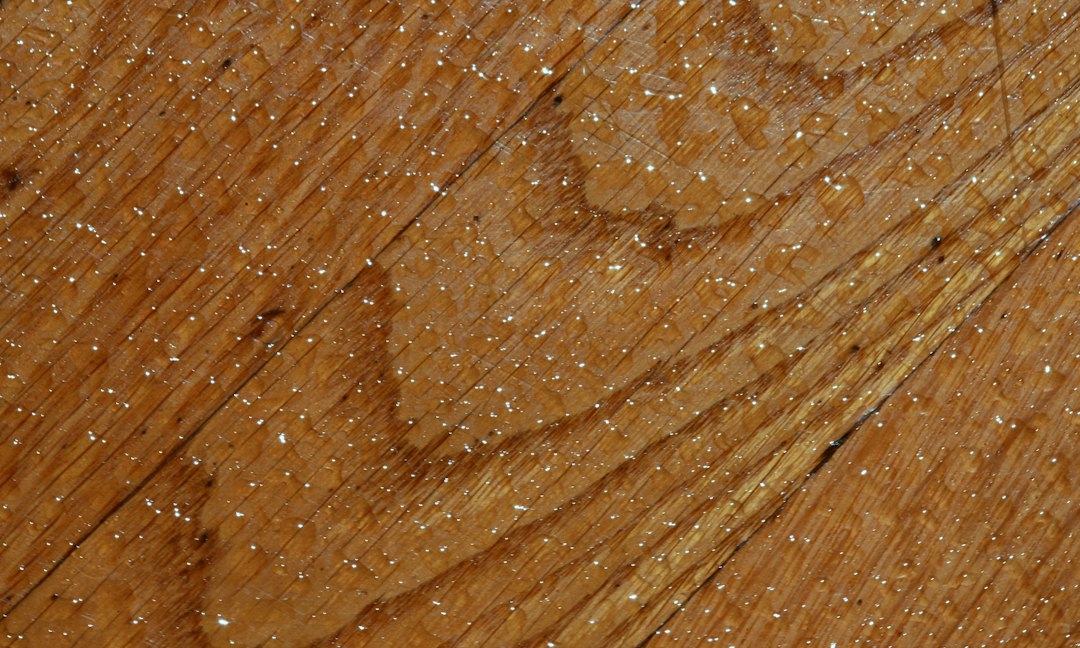
Both cure hard, but they behave differently. Oil-based polyurethane is slightly tougher and adds a warm amber tone that flatters the oak and walnut common in southern Johnson County’s newer builds and the older farmhouse-style homes around Stilwell. The trade-offs are a strong odor, longer dry times, and higher VOCs.
Water-based polyurethane dries fast, stays crystal clear so it will not yellow a white or gray-washed rail, and has far less odor, which matters when the stairwell is in the middle of an occupied house. Modern waterborne formulas have closed most of the durability gap. For a busy family staircase we often lean water-based for the fast recoat and low smell; for a formal, traditional stained rail we may choose oil for the depth and warmth.
Whichever you pick, three thin coats with a light sanding between each will outlast two heavy ones. Low-VOC options also help indoor air quality, something worth weighing for any interior project.
What about painted handrails?
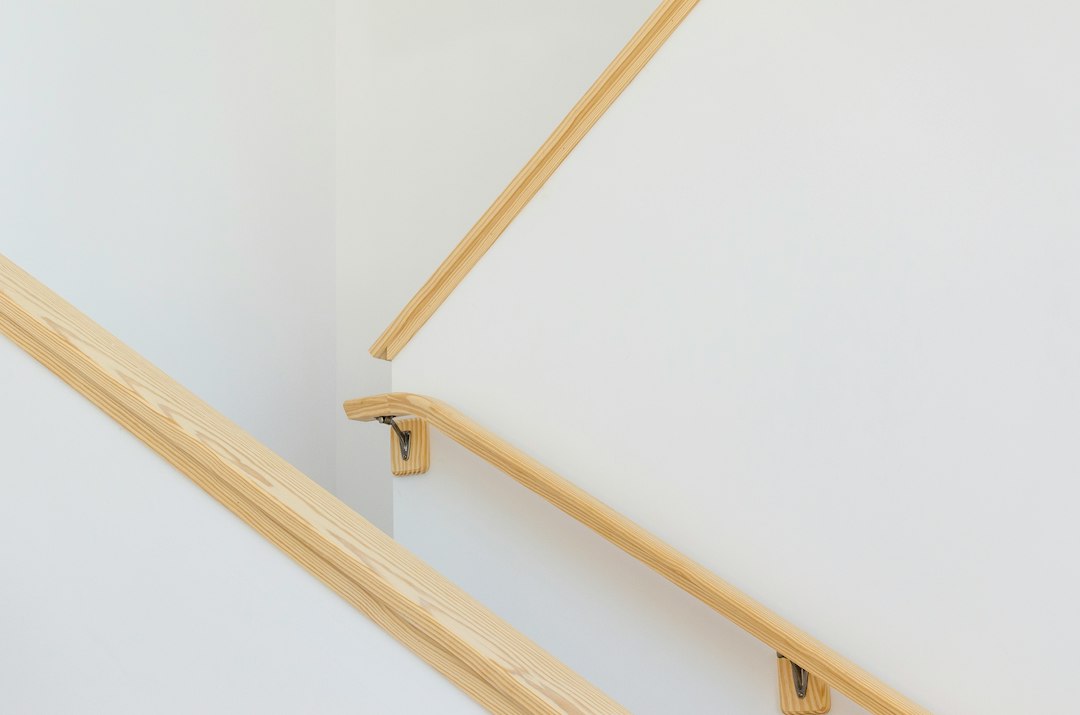
Plenty of Stilwell homes run a painted rail against stained treads, or an all-white railing in a transitional interior. For a painted rail, skip wall paint entirely. Use a waterborne alkyd enamel in satin or semi-gloss. These enamels flow out to a smooth, furniture-like surface, then cure to a hard, washable film that resists the hand traffic a wall paint would quickly scuff. Prime bare or glossy wood first so the enamel bonds, and sand lightly between coats.
How Stilwell’s climate affects the finish
Johnson County summers are humid and winters are dry with the furnace running for months, so indoor wood swells and shrinks across the year. The U.S. Environmental Protection Agency recommends keeping indoor humidity at a comfortable, moderate level to limit that movement and discourage mold, which is better for both the wood and the home overall. Let a new rail or fresh lumber acclimate inside for several days before finishing so it stabilizes at your home’s humidity. Apply coats when the house is not swinging between extremes, and give water-based coats a little extra cure time on humid July days when they flash off more slowly.
Temperature matters too. Most interior coatings want to be applied above roughly 50 degrees Fahrenheit, so a drafty winter stairwell near an exterior door may need the heat bumped up during application and cure. Always follow the manufacturer’s label for the specific product, and when in doubt consult a licensed professional.
Prep is where handrail finishes are won or lost
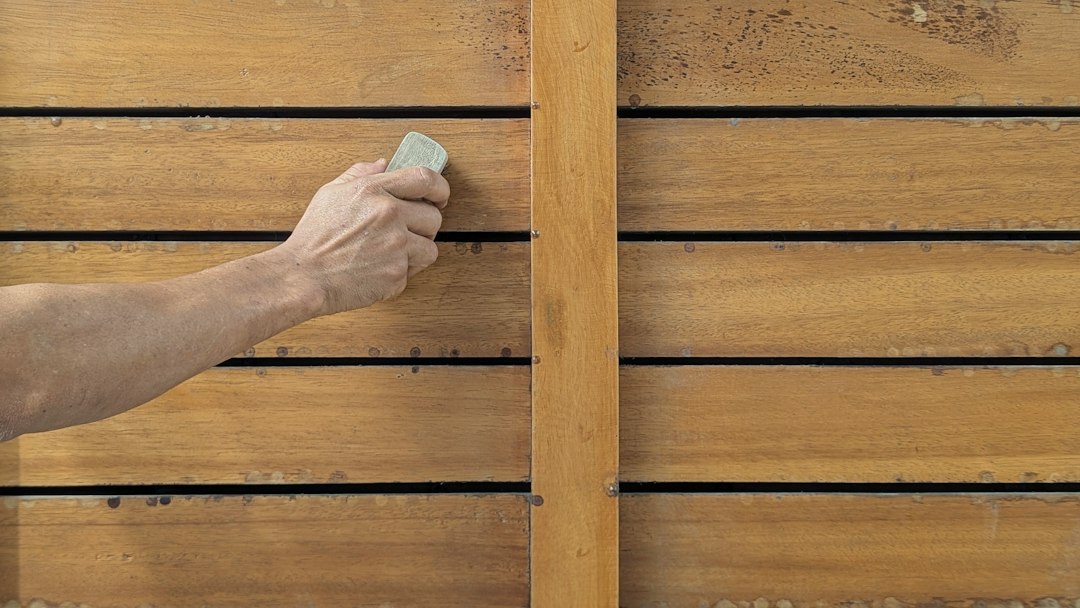
A gorgeous topcoat over poor prep still peels. The rail should be sanded smooth, wiped free of dust, and completely clean of the oils that hands have already deposited if you are refinishing an existing rail. Degloss any old coating so the new finish can bite. If you are staining first, apply an even coat, wipe the excess, and let it dry fully before the first clear coat. Rushing the stain dry time is the most common reason a handrail finish looks cloudy or stays tacky.
DIY or hire a pro?
A single straight rail is a reasonable weekend project for a careful homeowner. Curved rails, multiple return pieces, and open stairwells where dust control and sanding between coats get tricky are where a professional finish pulls ahead. If you want the stained look done right the first time, our staining services handle the full process from prep through topcoat. See our staining services for southern Johnson County, or reach out through our contact page to talk through your staircase. For broader interior work, our interior painting services cover railings, trim, and more.
The bottom line
For most Stilwell homes, the best finish for an interior handrail is satin polyurethane over stain, or satin waterborne alkyd enamel over paint, which gives the durability, easy cleaning, and understated look a hard-working rail needs. Match the product to your climate conditions, prep thoroughly, and build thin coats, and the finish will hold up for years of daily use. When in doubt, professional staining services take the guesswork out of matching product to rail.