
For high-traffic areas in a Stilwell, KS home, the best paint for high-traffic areas is a 100% acrylic latex in a satin or semi-gloss sheen with a scrubbable, washable finish. These stand up to repeated cleaning, scuffs from boots tracking in off gravel drives and county roads, and the humidity swings that come with living on the edge of Johnson County. Flat and matte paints hide wall imperfections but wear out fast in hallways, mudrooms, and stairwells, so reserve those for low-contact ceilings and formal rooms.
Key takeaways
- Sheen matters most: satin and semi-gloss clean up far better than flat or eggshell in hallways, kitchens, and entryways.
- Look for “scrubbable,” not just “washable”: scrubbable finishes survive repeated cleaning without burnishing.
- 100% acrylic latex flexes with Stilwell’s temperature swings and resists the humidity of a long Kansas summer.
- Match the paint to the room’s real abuse: mudrooms off a rural lot need tougher coatings than a quiet guest hall.
- Prep and primer decide longevity as much as the paint itself, especially on older Stilwell homes with patched plaster.
What Counts as a High-Traffic Area in a Stilwell Home
High-traffic does not just mean “a lot of people.” It means a lot of contact: hands on walls, shoulders brushing corners, furniture scraping baseboards, and cleaning rags passing over the same spot week after week. In Stilwell’s mix of newer estate builds along 199th Street and older farmhouses on acreage, the usual suspects are the same: entryways and mudrooms, kitchens, main-floor hallways, stairwells, and any room where kids and dogs live their whole lives.
Rural and semi-rural lots add a specific challenge. Gravel drives, garden soil, and open fields mean more grit comes indoors on shoes and paws. That grit is abrasive, and it is exactly why a wall that looked fine in a city condo will show wear quickly out here. The best paint for high-traffic areas on this kind of lot has to tolerate frequent wiping without leaving a shiny worn halo where you keep cleaning.
Sheen Is the Single Most Important Decision
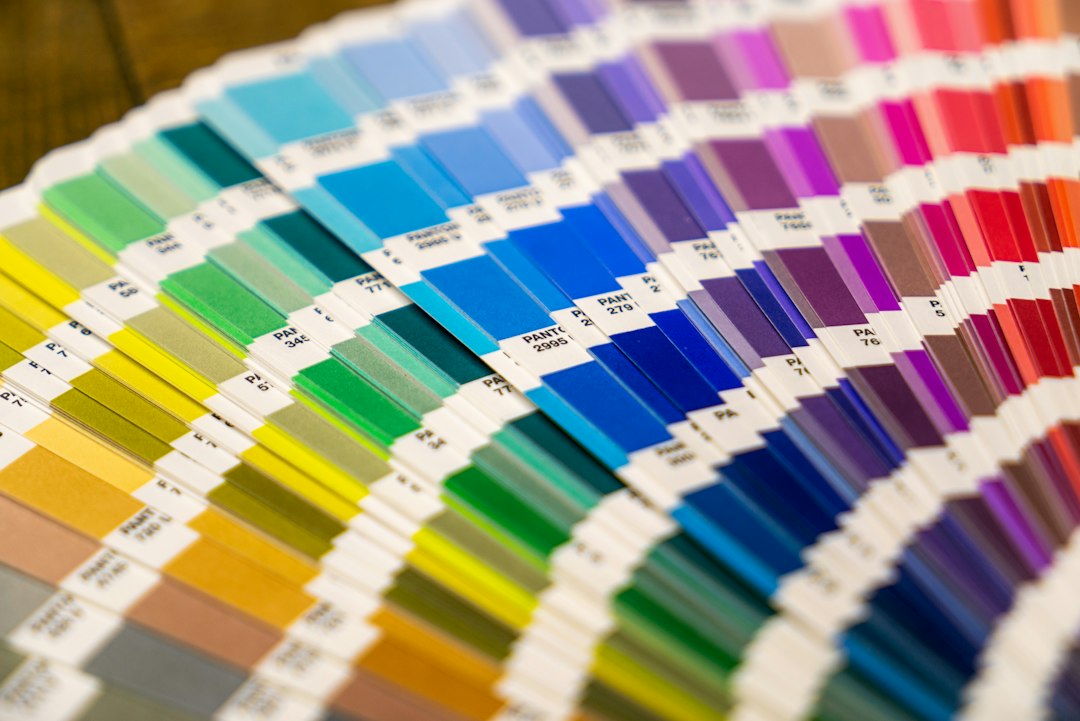
If you remember one thing, remember this: sheen controls durability and cleanability more than brand does. Here is how the common sheens hold up in the spots that take abuse:
- Flat / matte: beautiful on ceilings and adult bedrooms, poor in traffic. Dirt embeds and cleaning burnishes it.
- Eggshell: a slight step up, fine for lower-contact living rooms, still marginal in a busy hallway.
- Satin: the workhorse for Stilwell hallways, family rooms, and kids’ spaces. Cleans well, looks soft, hides moderate imperfections.
- Semi-gloss: best for mudrooms, trim, doors, and kitchen walls that get splashed and scrubbed often.
Newer paint lines now offer “scrubbable matte” products that behave more like satin under a rag. They are a reasonable compromise when you want a flat look in a hall but need it to survive. Always confirm the can says scrubbable, not merely washable, because washable often means “wipe gently a few times,” which is not what a mudroom gets.
Why 100% Acrylic Latex Wins in the Kansas City Climate
Stilwell sits in a climate that punishes paint from both directions. Summers are humid and hot, winters drop well below freezing, and shoulder seasons swing 30 degrees in a day. Walls expand and contract with that, and interior humidity spikes every July. According to the U.S. Environmental Protection Agency, keeping indoor relative humidity in check also helps limit mold growth, which is a real concern on exterior-facing walls in a muggy Kansas summer.
A quality 100% acrylic latex stays flexible through those swings, resists blocking (that sticky tackiness where a painted door sticks to its frame on a humid day), and holds color better than cheaper vinyl-acrylic blends. For moisture-prone rooms, look for a formula rated for mildew resistance. If low odor and indoor air quality matter to your household, low-VOC and zero-VOC acrylics have come a long way without sacrificing durability. This is a big part of why the best paint for high-traffic areas in our climate is almost always a true acrylic rather than a budget blend.
Prep and Primer: Where Longevity Is Actually Won
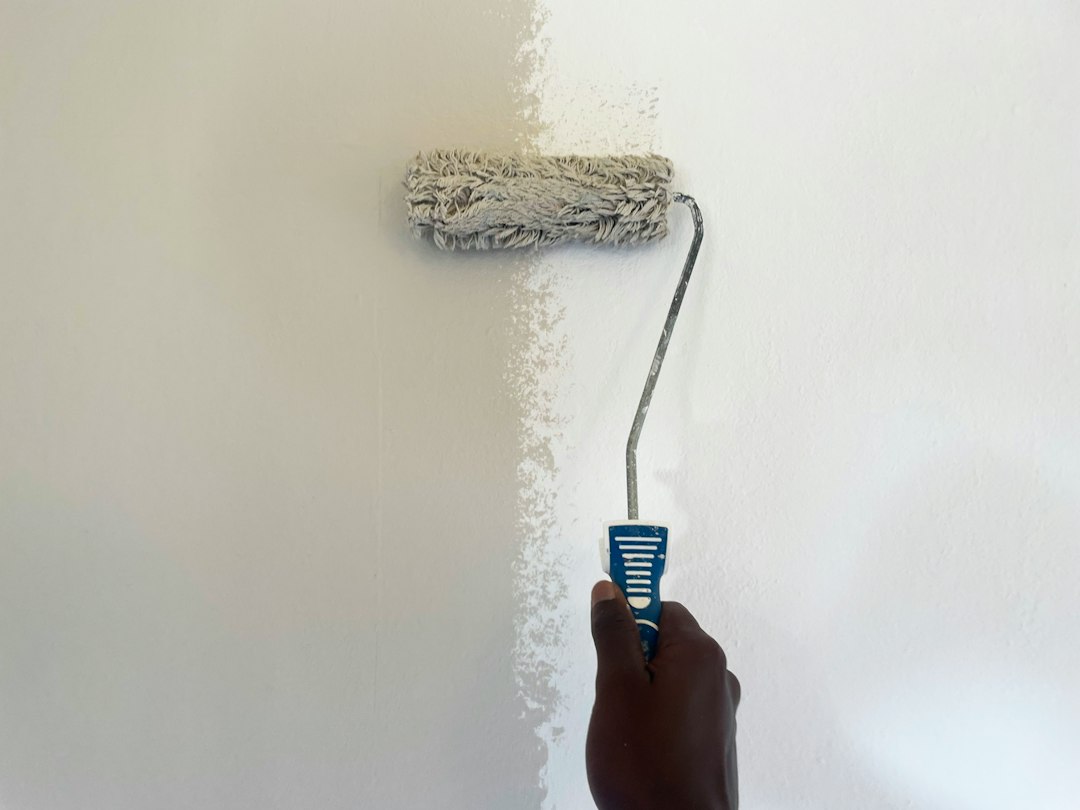
The best paint fails on a bad surface. Many Stilwell homes, especially older farmhouses and anything built before the recent subdivision boom, have plaster walls, patched drywall, or layers of older oil-based paint. Each needs its own prep. Glossy old oil paint must be de-glossed and primed with a bonding primer or the new latex will peel. Fresh patches flash differently unless spot-primed. Water stains need a stain-blocking primer so they do not bleed through a brand-new coat.
Real-world sequence for a high-traffic hallway: clean the walls (grease and hand oils are everywhere near light switches), sand glossy spots, fill dings, spot-prime repairs, then two full coats of satin. Two coats is not upselling. One coat over a repair almost always shows, and the second coat is what builds the washable film you are paying for.
Color Choices That Hide Stilwell Wear and Tear

Pure white hallways look crisp for about a week on a rural lot. Mid-tone, slightly warm neutrals, soft greiges, warm grays, and muted taupes hide scuffs and dust far better and still read bright. Save the deep saturated accent colors for a feature wall rather than the whole corridor, since deep colors show every nick along the edges. For trim and doors in traffic zones, a durable semi-gloss in a warm white holds up to repeated wiping and reads clean next to a satin wall.
When to Call a Pro
DIY is reasonable for a single low-contact room. High-traffic areas are where professional prep pays off, because the cost of redoing a peeling stairwell dwarfs the cost of doing it right once. A pro will read your specific walls, choose the right primer system, and match the best paint for high-traffic areas to each room’s real use. If you want help, our team handles interior painting and broader residential painting across southern Johnson County, and you can get in touch for a quote on your Stilwell home.
Choosing the right paint is also closely tied to timing and conditions; if you are planning the project, it is worth reviewing how to test moisture before you paint so your durable finish actually bonds the way it should.