




How Many Coats of Stain Does a Deck Need?
Introduction
If you are wondering how many coats of stain a deck needs, the answer is usually one to two coats. Still, the right number depends on the type of wood, the condition of the deck, the stain product, and the weather.
For homeowners in Kansas City, deck staining is especially important because decks face hot summers, cold winters, rain, humidity, and sun exposure. A properly stained deck not only looks better, but it also helps protect the wood from moisture damage, fading, cracking, and everyday wear.
How Many Coats of Stain Does a Deck Need?

Most decks need one coat of stain when using a penetrating oil-based or semi-transparent stain. These stains are designed to soak into the wood rather than sit on top of it.
Some decks may need two thin coats, especially if the wood is older, dry, weathered, or uneven in color. The key is to avoid overapplying stain. Too much stain can leave the surface sticky, blotchy, or prone to peeling.
A good rule of thumb is this:
One coat is usually best for newer decks or stains that penetrate deeply. Two coats may help when the wood is older, porous, or needs richer color.
When One Coat Is Enough
One coat is often enough if your deck is in good condition and the wood absorbs stain evenly.
This is common for:
Newer wood decks
Pressure-treated decks that have properly dried
Cedar or redwood decks
Transparent stains
Semi-transparent stains
Penetrating oil-based stains
When the first coat absorbs well and the color looks even, adding more stain may not improve protection. In fact, it can create problems if the wood cannot absorb the extra product.
When Two Coats May Be Needed

Two coats may be helpful when the deck wood is older or very dry. Weathered wood often absorbs stain quickly, which can make a second light coat useful for better color and coverage.
Two coats may be needed for:
Older decks
Faded or gray wood
Dry, porous boards
Decks with uneven color
Semi-solid stains
Some water-based stain products
Always follow the stain manufacturer’s instructions. Some products recommend a second coat, while others clearly advise against it.
How Long Should You Wait Between Coats?
Most deck stains require waiting 24 to 48 hours between coats, but drying time can vary based on humidity, temperature, airflow, and the stain type.
In Kansas City, humidity can slow drying time. Applying a second coat too soon can prevent proper absorption and leave the surface tacky. For best results, stain when the forecast is dry and temperatures are moderate.
You can check local conditions through the National Weather Service Kansas City forecast before starting your project.
Why Kansas City Weather Matters
Kansas City weather can be tough on exterior wood. Decks are exposed to direct sun, heavy rain, humidity, freezing temperatures, and seasonal changes. Over time, these conditions can cause wood to fade, warp, crack, or absorb moisture.
That is why proper deck staining in Kansas City is not just about appearance. It is also about protection.
A quality stain helps:
Reduce moisture absorption
Protect against UV damage
Improve wood appearance
Extend the life of the deck
Make maintenance easier
For more exterior maintenance tips, visit the Pileggi Painting exterior painting services page.
How to Prepare a Deck Before Staining
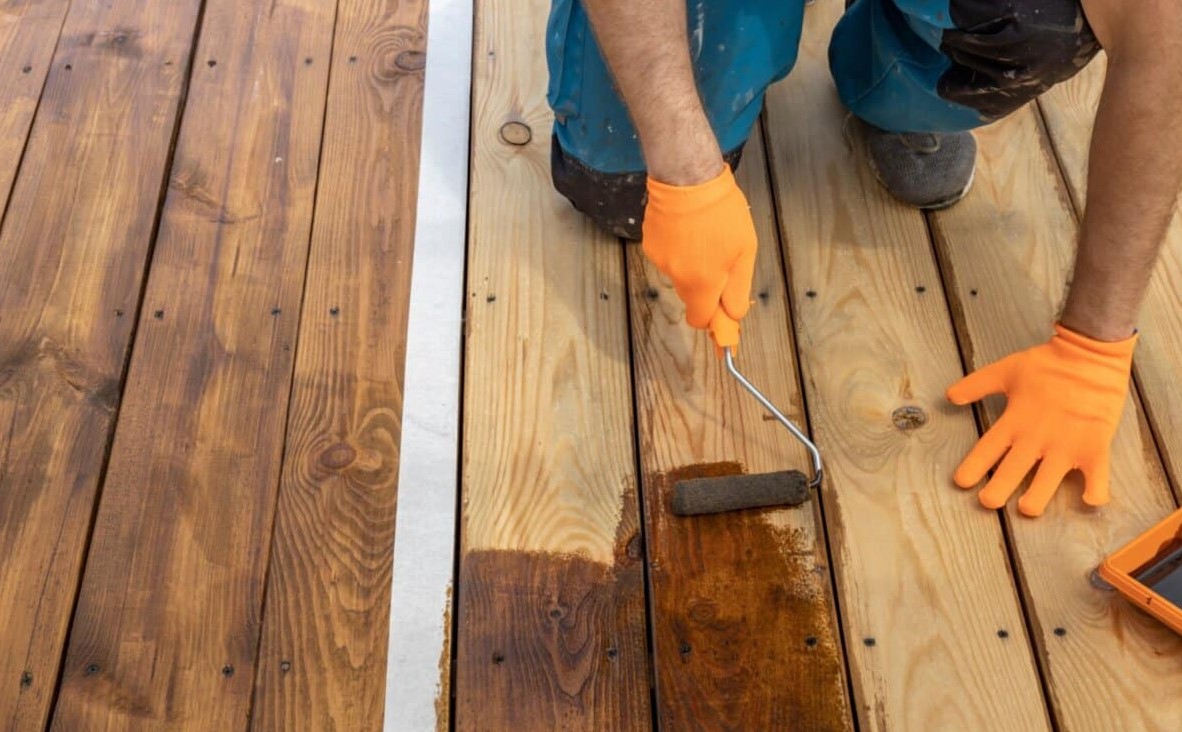
Preparation is one of the most important parts of deck staining. Even the best stain will not perform well if the surface is dirty, damp, or covered with old failing finish.
Before staining, the deck should be:
Cleaned thoroughly
Cleared of dirt, mildew, and debris
Stripped if old stain is peeling
Sanded where needed
Allowed to dry completely
Oil-Based vs. Water-Based Deck Stain
The type of stain you choose affects how many coats your deck may need.
Oil-Based Deck Stain
Oil-based stains usually penetrate deeper into the wood. They often require just one coat and can provide strong water resistance.
Benefits include:
Deep wood penetration
Rich color
Strong moisture protection
Good durability
Water-Based Deck Stain
Water-based stains dry faster and are easier to clean up. Some may require two coats depending on the product and wood condition.
Benefits include:
Faster drying time
Lower odor
Easier cleanup
Good color retention
For product guidance and maintenance recommendations, see the Sherwin-Williams deck stain guide.
Common Deck Staining Mistakes to Avoid
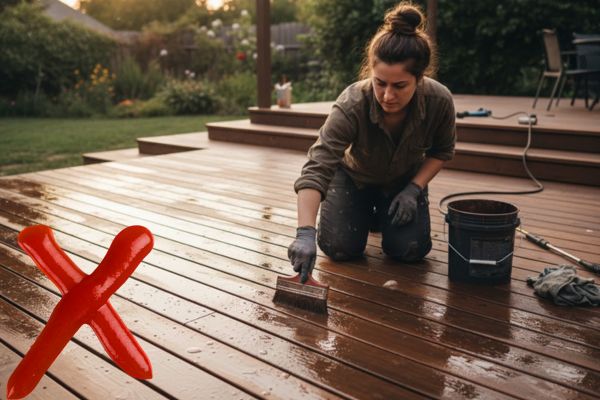
A deck staining project can go wrong when the surface is rushed or overcoated.
Avoid these common mistakes:
Staining wet wood
Applying stain in direct hot sun
Using too much stain
Skipping cleaning or sanding
Applying a second coat too soon
Ignoring the weather forecast
Choosing the wrong stain for the wood type
If you are unsure about the right process, working with a professional deck staining company can help prevent costly mistakes.
Why Hire Pileggi Painting for Deck Staining in Kansas City?
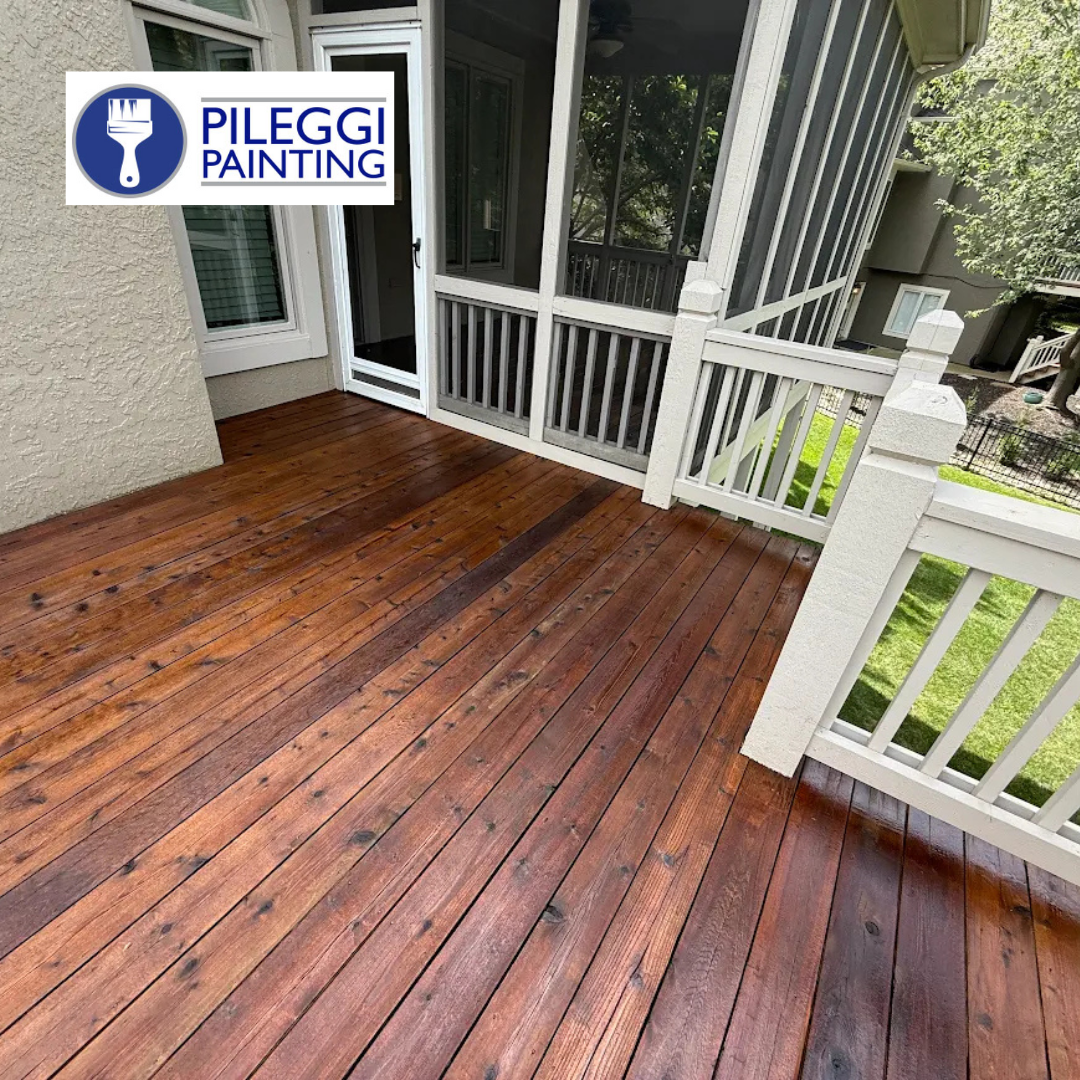
Pileggi Painting helps homeowners protect and refresh exterior wood surfaces with professional painting and staining services. A trained team can evaluate the condition of your deck, recommend the right stain, prepare the surface properly, and apply the correct number of coats.
Professional deck staining can save time and help deliver a smoother, longer-lasting finish.
Learn more about local painting services from Pileggi Painting or visit their contact page to request service details.
How Often Should a Deck Be Restained?
Most decks should be restained every 2 to 3 years, but the timeline depends on sun exposure, foot traffic, stain type, and weather conditions.
A deck may need restaining sooner if you notice:
Fading color
Water soaking into the wood
Gray or dry boards
Cracking or splintering
Uneven finish
Peeling stain
A simple water test can help. Sprinkle water on the deck. If it beads up, the stain is still offering protection. If it soaks in quickly, it may be time to restain.
Frequently Asked Questions
Does a deck always need two coats of stain?
No. Many decks only need one coat, especially when using a penetrating stain. Two coats may be needed for older or very dry wood.
Can too much stain damage a deck?
Yes. Too much stain can sit on the surface, causing sticky spots, uneven color, or peeling.
Should I stain or seal my deck?
Many deck stains also include sealing properties. The right choice depends on your wood type, desired color, and protection needs.
What is the best time to stain a deck in Kansas City?
Spring and fall are often good times because temperatures are usually milder. Avoid staining before rain, during high humidity, or in direct extreme heat.
Should I pressure wash before staining?
Pressure washing can help clean a deck, but it must be done carefully. Too much pressure can damage wood fibers. The deck must dry completely before staining.
Final Thoughts
So, how many coats of stain does a deck need? Most decks need one coat, while older or more weathered decks may benefit from two thin coats. The best choice depends on the wood, stain type, prep work, and Kansas City weather.
For a clean, professional finish, trust Pileggi Painting with your deck staining project.
Request a Free Quote from Pileggi Painting
Ready to refresh your deck? Contact Pileggi Painting today to request a free quote for professional deck staining in Kansas City.